Exploring Brooklyn Like a Local: The Ultimate Brooklyn Tour Guide
The moment you cross the river from Manhattan and see the brownstones, street art, and waterfront skyline, it’s clear: a Brooklyn tour is a different kind of New York experience. It’s less about skyscrapers and more about neighborhood stories, creative energy, food from around the world, and a lived‑in sense of history.
This guide walks through how to explore Brooklyn’s most interesting areas, what kinds of tours exist, how to choose one that matches your style, and how to build your own self-guided route if you prefer to wander on your own.
Why Take a Brooklyn Tour at All?
Brooklyn has shifted from industrial borough to creative and cultural hub. A tour helps make sense of that transformation and connects the dots between iconic sights, local hangouts, and quieter residential streets you might otherwise miss.
A Brooklyn tour can help you:
- Understand neighborhoods instead of just hopping between “Instagram spots.”
- Discover small bakeries, pizzerias, and markets that locals frequent.
- Learn about immigration, music, art, and architecture that shaped each area.
- See waterfront views and parks you might not find on a quick visit.
- Experience a slower, more community-centered side of New York City.
Whether you’re visiting for a day or live in NYC and want to know Brooklyn better, a structured tour—guided or self-guided—can turn random wandering into a richer experience.
Main Types of Brooklyn Tours
Brooklyn tours come in many formats. Choosing the right type will shape what you see and how you experience it.
Walking Tours
Walking tours stay close to the street-level reality of Brooklyn. They often focus on just one or two neighborhoods so you can absorb details and atmosphere.
Common walking tour themes include:
- Historic Brooklyn Heights & the Promenade
- DUMBO and the waterfront
- Williamsburg street art and indie shops
- Brownstone Brooklyn (Cobble Hill, Carroll Gardens, Park Slope)
- Coney Island boardwalk and beach
Walking tours suit people who:
- Enjoy architecture, photography, and people-watching
- Like hearing stories and historical context
- Prefer a slower pace that lets them step into cafes and local shops
Food and Drink Tours
Brooklyn is known for pizza, bagels, bakeries, Caribbean food, Jewish delis, Middle Eastern cuisine, and modern restaurants. Food tours focus on tasting your way through neighborhoods while learning about culture and migration.
You may find tours centered on:
- Classic Brooklyn pizza and Italian-American staples
- Bagels, bakeries, and coffee in brownstone areas
- Caribbean, Latin American, or Middle Eastern food corridors
- Craft breweries or small-batch distilleries
Food tours tend to:
- Blend short walks with frequent tasting stops
- Give an overview of how different communities shaped Brooklyn’s food scene
- Highlight family-run or longtime neighborhood spots
Bike Tours
Brooklyn’s bike lanes and waterfront paths make it a strong candidate for cycling. Bike tours usually cover more ground than walking tours and often center on scenic routes.
They commonly include:
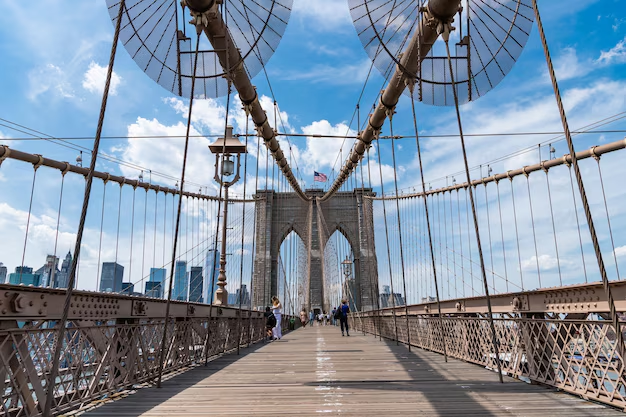
- Brooklyn Bridge crossing into DUMBO or Brooklyn Heights
- Brooklyn Bridge Park and surrounding piers
- Williamsburg waterfront and nearby neighborhoods
- Occasionally, routes into Prospect Park or Red Hook
Bike tours fit those who:
- Are comfortable riding in urban traffic and bike lanes
- Want to cover multiple neighborhoods in a single outing
- Are drawn to skyline views and long stretches of waterfront
Bus and Van Tours
Small-group van or bus tours cater to people who want to see more of the borough in less time without much walking. These tours often link areas that are farther apart.
They may pass through:
- DUMBO and the Brooklyn Bridge area
- Williamsburg and Greenpoint
- Downtown Brooklyn and Brooklyn Heights
- Coney Island and Brighton Beach
These tours commonly:
- Offer broad overviews rather than deep dives into one neighborhood
- Include photo stops and short walks at especially scenic or historic spots
- Appeal to visitors with limited mobility or tight schedules
Specialized and Niche Tours
Beyond the main categories, there are more focused options:
- Street art tours in Williamsburg or Bushwick
- Movie and TV filming location tours in various neighborhoods
- Music and nightlife–oriented walks (often in Williamsburg or Bushwick)
- Architecture-focused tours centered on brownstone districts or landmarked areas
These tend to attract visitors with a specific interest and often go deeper on history, style, or culture within a narrow theme.
Essential Brooklyn Neighborhoods to Explore on a Tour
Many Brooklyn tours organize themselves around a handful of core neighborhoods. Understanding them helps you choose the right itinerary or design your own.
Brooklyn Heights: Brownstones and Skyline Views
Brooklyn Heights is known for:
- Tree-lined streets and historic brownstones
- Brooklyn Heights Promenade with panoramic views of Manhattan and the harbor
- Nearby churches, synagogues, and public buildings that reflect older Brooklyn
Typical highlights on a Brooklyn Heights tour:
- Walk along Montague Street and nearby side streets
- Stroll the Promenade at sunset for skyline and bridge views
- Learn how the neighborhood’s preservation movement shaped its current look
A Brooklyn Heights stop pairs naturally with DUMBO and Brooklyn Bridge Park nearby.
DUMBO: Cobblestones and Waterfront Parks
DUMBO (Down Under the Manhattan Bridge Overpass) blends industrial architecture and modern design.
Tours here often feature:
- Cobblestone streets framed by the Manhattan Bridge
- Brick warehouses converted into offices, galleries, and shops
- Access to Brooklyn Bridge Park, with lawns, piers, and waterfront paths
DUMBO suits:
- Photographers who want iconic bridge-and-city views
- Visitors curious about adaptive reuse of industrial spaces
- Those who enjoy cafes, design shops, and short scenic walks
Williamsburg: Creative Energy and Waterfront Views
Williamsburg evolved from industrial area to creative and nightlife center. Many Brooklyn tours make this a core stop.
Common Williamsburg themes:
- Street art, murals, and converted warehouses
- Boutiques, cafes, record stores, and art spaces
- Waterfront parks with Manhattan skyline views
A Williamsburg tour may include:
- Exploring the streets near the waterfront and main avenues
- Pausing for coffee, pastries, or tacos from local vendors
- Observing how the neighborhood’s cultural mix shows up in food and style
Park Slope and Prospect Park: Residential Charm and Green Space
Park Slope surrounds the western side of Prospect Park, Brooklyn’s large central park.
Highlights on a tour:
- Brownstone-lined residential blocks
- Small bookstores, restaurants, and neighborhood bars
- Prospect Park, including meadows, wooded paths, and the main entrances
A Park Slope and Prospect Park outing tends to feel:
- Quieter and more residential than Williamsburg or DUMBO
- Suited to people who like architecture, greenery, and local routines
- A good contrast to Manhattan’s busy midtown and downtown streets
Coney Island and Brighton Beach: Boardwalk Culture
Farther south, Coney Island and nearby Brighton Beach offer a different side of Brooklyn.
Tour themes often include:
- Historic amusement park rides and arcades
- The boardwalk and beach along the Atlantic Ocean
- Hot dogs, boardwalk snacks, and seaside bars
- A short walk or ride to Brighton Beach, known for its Eastern European community and shops
This area suits:
- Visitors who want a classic seaside boardwalk experience
- Families or groups looking for rides and games
- Anyone curious about how historic amusement districts evolved over time
Self-Guided Brooklyn Tour: A Sample One-Day Route
For those who prefer exploring on their own, it’s possible to create a self-guided Brooklyn tour that hits several key highlights in a single day. One common approach is to move roughly from north to south or waterfront inward, using subway connections in between.
Here is an example of a self-guided structure:
Morning: Brooklyn Bridge, Brooklyn Heights, and DUMBO
- Cross the Brooklyn Bridge from Manhattan into Brooklyn.
- Explore Brooklyn Heights:
- Walk a few blocks of residential side streets.
- Visit the Promenade for skyline views.
- Head downhill to DUMBO:
- Check out cobblestone streets and bridge views.
- Pause for coffee or a snack.
- Stroll through part of Brooklyn Bridge Park.
Midday: Williamsburg or Park Slope
Choose one focus depending on your interests:
Option A – Williamsburg
- Take the subway to Williamsburg.
- Walk the streets between the waterfront and main commercial corridors.
- Look for murals, small shops, and local eateries.
Option B – Park Slope and Prospect Park
- Ride the subway to Park Slope.
- Wander tree-lined avenues and brownstone blocks.
- Enter Prospect Park for a short walk by meadows or lakes.
Late Afternoon or Evening: Coney Island (Optional Extension)
If you have more time:
- Ride the subway to Coney Island.
- Walk the boardwalk, visit the beach, or explore old amusement rides.
- Wrap up the day watching the ocean and sunset, weather permitting.
This structure can be adjusted by time of year, daylight hours, and personal pace.
Quick Comparison: Common Brooklyn Tour Styles
Here is a simple, at-a-glance table comparing typical Brooklyn tour approaches:
| Tour Style | Pace & Feel 🧭 | Best For 🙋♀️🙋♂️ | Typical Highlights 🌆 |
|---|---|---|---|
| Walking Tour | Slow, detailed, local | History fans, photographers, casual walkers | Brownstones, local streets, viewpoints |
| Food Tour | Relaxed, frequent stops | Food lovers, cultural explorers | Pizza, bakeries, markets, immigrant cuisines |
| Bike Tour | Active, scenic, wide-range | Confident cyclists, skyline seekers | Bridges, waterfront, multiple neighborhoods |
| Bus/Van Tour | Comfortable, broad overview | First-time visitors, limited mobility | Major neighborhoods, short stops, city views |
| Niche/Specialty | Focused, in-depth | Street art, film, music, or architecture fans | Murals, filming sites, specific style areas |
How to Choose the Right Brooklyn Tour for You
With many options available, it helps to match your tour to your interests, energy level, and schedule.
Consider Your Interests
Ask yourself:
- Are you most drawn to food, history, art, waterfront views, or nightlife?
- Do you prefer quiet residential streets or busy commercial areas?
- Would you rather taste multiple dishes or soak in architecture and parks?
Matching these preferences to a tour theme avoids a rushed or mismatched experience.
Think About Comfort and Mobility
Different tour formats demand different levels of physical activity:
- Walking tours involve standing and walking for an extended period.
- Bike tours require comfort with riding in bike lanes and mixed traffic.
- Bus or van tours minimize walking but still involve some short strolls.
Choosing a style in line with your mobility and stamina supports a more enjoyable day.
Factor in Time of Day and Season
Brooklyn feels different in the morning, afternoon, and evening, and seasons also shift the experience:
- Morning: Quieter streets, softer light for photography.
- Afternoon: More activity in parks, shops, and cafes.
- Evening: City lights, nightlife in areas like Williamsburg, cooler temperatures in warmer months.
- Warm seasons: More people outdoors, open-boardwalk atmosphere at Coney Island.
- Cool or cold seasons: Better for indoor stops such as cafes and markets with shorter bouts outside.
Aligning your tour with daylight, weather, and desired atmosphere can make a noticeable difference.
Key Highlights Many Brooklyn Tours Include
Although each tour is unique, there are some recurring elements that many itineraries emphasize.
Iconic Views and Photo Spots
Visitors and locals alike gravitate toward:
- The classic Brooklyn Bridge view of Manhattan.
- DUMBO’s bridge-framed streets and warehouse exteriors.
- Brooklyn Heights Promenade skyline vistas.
- Waterfront parks in Williamsburg or Brooklyn Bridge Park.
Tours often pause here, not only for photos but to explain how the waterfront changed from industrial piers to public spaces.
Neighborhood Stories and History
Guides commonly touch on:
- Immigration patterns and how different communities shaped specific areas.
- The growth of industrial zones and later transitions to creative uses.
- The development of landmarked districts and preservation efforts.
- Shifts in music, art, and nightlife that brought new waves of visitors.
These stories help turn a walk through streets into an understanding of how Brooklyn became what it is today.
Food, Cafes, and Markets
Even non-food-themed tours often include:
- A stop at a local cafe or bakery.
- Examples of how traditional foods and newer restaurants coexist.
- Occasional looks at small groceries or specialty markets tied to particular communities.
These elements highlight Brooklyn’s role as both a historic borough and a contemporary food hub.
Practical Tips for a Smooth Brooklyn Tour Experience
A bit of proactive planning can help your Brooklyn tour feel relaxed instead of rushed.
Before You Go
- Check the route: Look at a map or description to understand how much walking or riding is expected.
- Plan transportation: Note which subway lines or bus routes bring you to the starting point and from the ending point.
- Dress for the weather: Brooklyn tours often include open-air segments with sun, wind, or cooler waterfront breezes.
- Wear comfortable shoes: Many streets are cobblestoned or uneven, especially in older areas.
During the Tour
- Stay aware at crossings and bike lanes: Brooklyn has active traffic, cyclists, and pedestrians.
- Ask questions if you are with a guide: Many guides welcome curiosity and enjoy talking about daily life, not just historical facts.
- Notice small details: Signage, languages heard on the street, shop fronts, and public art all reflect neighborhood character.
After the Tour
- Revisit favorite spots: A tour is often a starting point; returning on your own lets you linger at places that resonated.
- Explore nearby side streets: Walking a block or two away from main routes can reveal quieter parks and local hangouts.
Handy Takeaways for Planning a Brooklyn Tour
Here is a quick summary to keep in mind when designing or choosing your Brooklyn tour:
- 🧭 Pick a focus: Decide whether you care most about views, food, neighborhoods, or a mix.
- 🚶♀️ Match the format to your energy: Walking, biking, and bus tours each offer different paces and comfort levels.
- 🏙️ Include at least one waterfront stop: Areas like DUMBO, Brooklyn Bridge Park, or Williamsburg’s waterfront showcase Brooklyn’s defining skyline views.
- 🏡 Balance famous spots with quieter streets: Combining Brooklyn Heights, DUMBO, or Williamsburg with a calm area like Park Slope offers a fuller picture.
- 🍕 Sample local food along the way: Even if you’re not on a formal food tour, pizza, bakeries, and neighborhood cafes add flavor to the experience.
- ⏰ Plan for daylight and travel time: Factor in subway rides and sunset if skyline views are a priority.
- 📷 Bring a camera or phone with space: Between bridges, brownstones, murals, and parks, Brooklyn tends to be visually memorable.
Exploring Brooklyn through a thoughtful tour—whether guided or self-designed—turns a simple visit into a layered look at how history, culture, and everyday life intersect. By choosing the neighborhoods and tour style that fit your interests, you can see not only the famous sights but also the lived-in corners that make Brooklyn feel like its own distinct city within a city.
Related Topics
- a Slice Of Brooklyn Tour
- Affordable Tour Brooklyn
- Best Tour Brooklyn
- Bike Tour Brooklyn
- Brat Tour Brooklyn
- Brooklyn Bicycle Tour
- Brooklyn Brewery Tour
- Brooklyn Brewery Tour Brooklyn
- Brooklyn Bridge New York Tour
- Brooklyn Bridge Tour
- Brooklyn Bridge Tour Brooklyn
- Brooklyn Dyker Heights Christmas Lights Tour
- Brooklyn Food Tour
- Brooklyn Food Tour Brooklyn
- Brooklyn Nets Tour
- Brooklyn Pizza Tour
- Brooklyn Street Art Tour Brooklyn
- Brooklyn Tour During Festivals
- Brooklyn Waterfront Tour Brooklyn
- Brooklyn Winery Tour
- Food And Drink Tour Brooklyn
- Guided Tour Brooklyn
- Halloween Tour Brooklyn
- Holiday Tour Brooklyn
- New York Brooklyn Bridge Walking Tour